Mihai Petică
Award-winning designer with 20 years of design experience, working end to end: from deep research to design systems, from big-data B2B platforms to consumer apps millions use daily. Currently working with a full-AI-assisted workflow.
Scroll







I'm a UX & Product Design Lead building enterprise IoT platforms, with hands-on depth in AI workflows, design systems, and the deterministic tooling that keeps agent behaviour predictable.

For the last 20 years I've been designing experiences and products across iOS, Android, web and desktop, from large teams with complex workflows to small startup teams where one person wears five hats. In all this time my approach hasn't changed much: start by understanding the whole system, find the user needs, including the ones they can't articulate yet, and always know what it takes to build before handing anything over. Watching a product come together and genuinely serve its users is still the part I enjoy most.
More about me- 01 Research & Strategy UX Research · UX Strategy · Workshop Facilitation
- 02 Design & Systems Product Design · Design Systems · Accessibility
- 03 Build & Prototype Prototyping & Testing · AI-Assisted Workflows
Approach
How I work: four things that hold true across every surface, team, and industry I've designed for.
-
01
Evidence first.
I make data-driven decisions. UX research and real user input shape the product at every stage.
-
02
The system behind the screens.
I build the foundations underneath the screens: the tokens, components and rules that let a whole team move fast without drifting apart.
-
03
Measure and adjust.
I stay with the product after release and watch how people actually use it. That is where the design gets tested.
-
04
Design that ships as code.
I don't stop at handoff. I design within real constraints and push the work through to production myself.
Product-market fit, confirmed through research.
OMV Petrom, Romania's largest energy company, had built its business on large energy consumers and needed to know whether serving small and medium enterprises made business sense, and how to do it. I led the research that answered both: 30+ customer interviews, a 100-company phone survey, and a two-day workshop where real customers helped shape the MVP.
See the full case studyOne system, 500M+ keyboard opens, any brand.
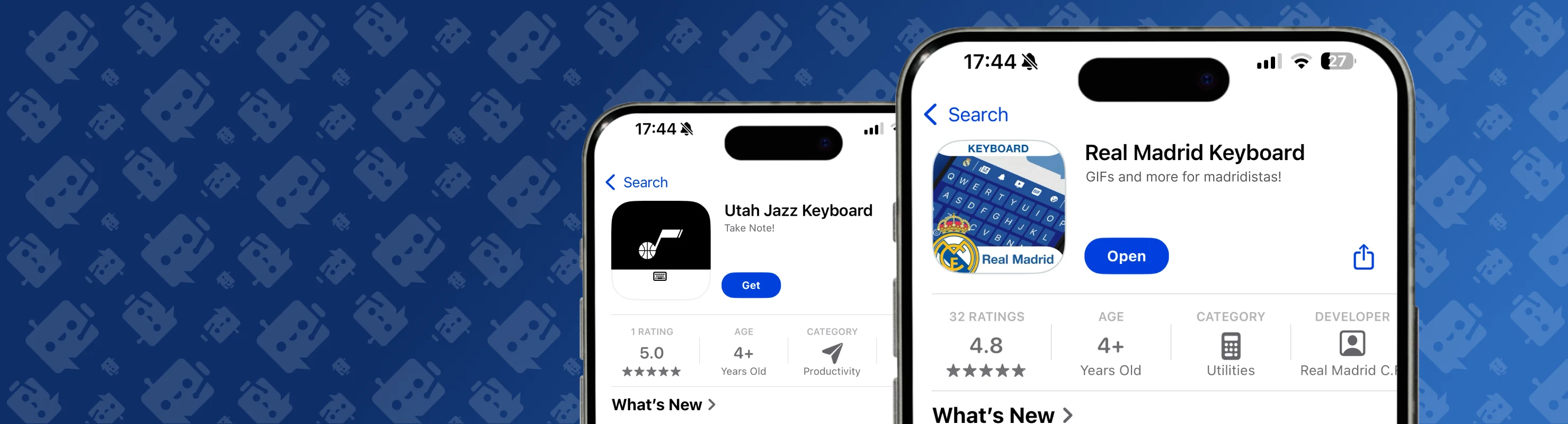
The same keyboard ships branded for Real Madrid, the NFL, the NBA or esports teams like G2, and no matter the skin, typing can never break. The system has three tiers: a fixed core that governs typing and protects usability and accessibility, a brand layer partners fully own, and a features layer custom-built for each partner’s niche.
See the full case studyOne place for esports fans to find, follow and watch every match.
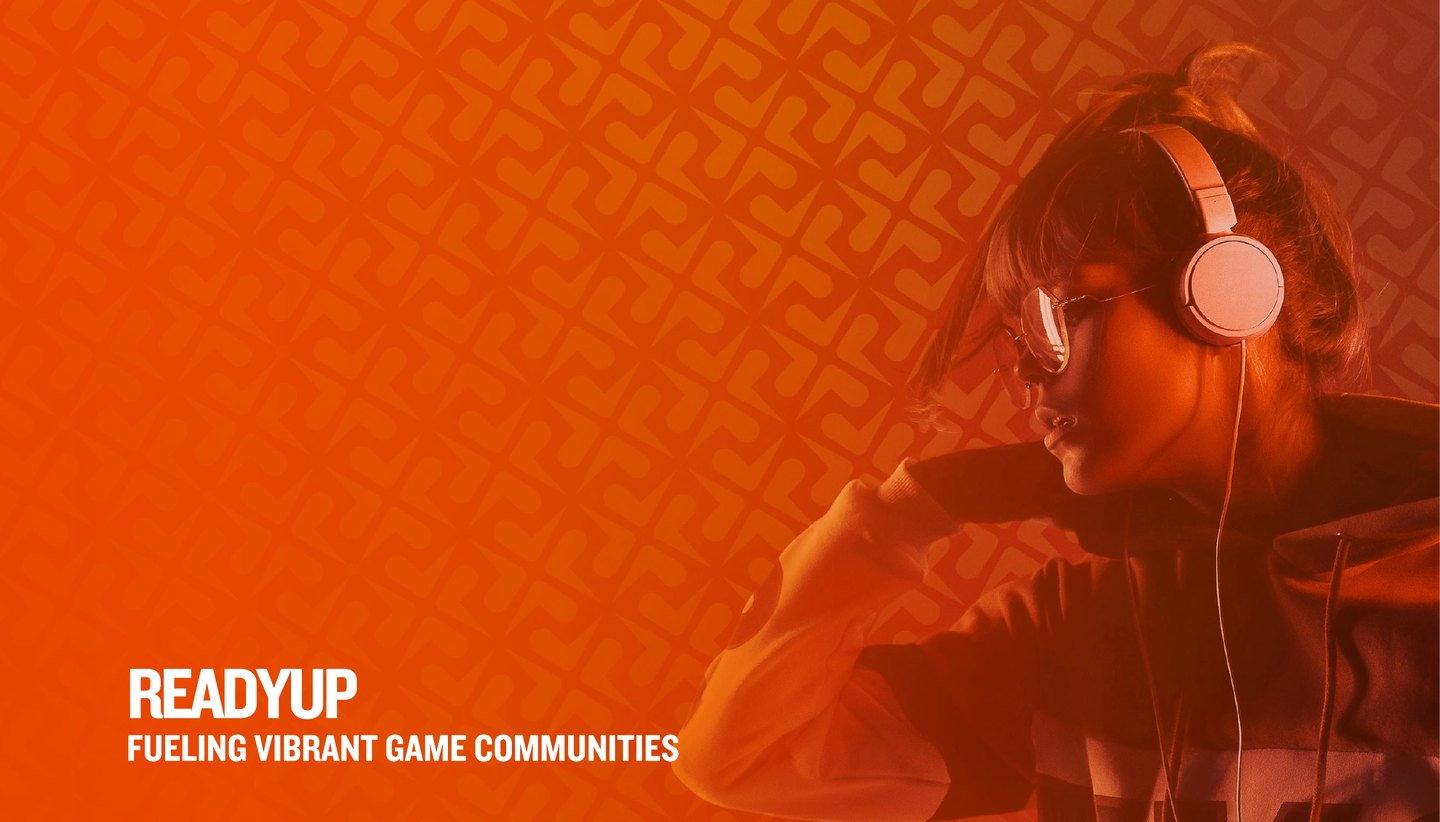
Esports fans were juggling a dozen browser tabs to follow one game. ReadyUP folded discover, follow, and watch into one platform, with a tools layer for the organizers who keep it current. After launch, an active fan community fed user testing and feature requests straight back into the roadmap.
See the full case study
I built my design workflow
with the AI  that now runs it.
A production system built with Claude, connected to Jira, the team's knowledge vault, the design system and the product codebase. A designer starts a structured pipeline; the agent reads the ticket, opens a design branch and builds real app screens using the team's Storybook components and interaction patterns. Two designers on the same ticket get roughly the same result; only taste and fine tuning differ.
See the full case study